Gravel Rock Textures: A Versatile Tool for Creative Projects
When it comes to adding a unique and artistic touch to your digital projects, Gravel Rock Textures can be an invaluable asset. These textures offer a charming and natural aesthetic that can elevate the visual appeal of various creative endeavors. Whether you're designing for personal use or professional purposes, understanding the features and applications of gravel rock textures can help you make the most out of this versatile resource.
What Are Gravel Rock Textures?
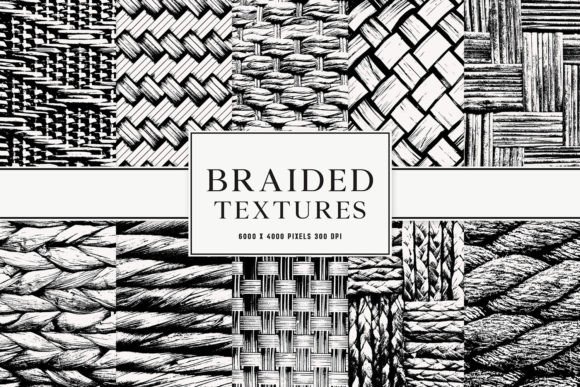
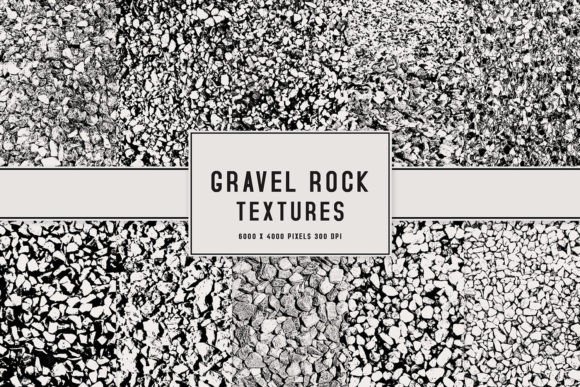
Gravel Rock Textures are digital assets that replicate the appearance of natural gravel surfaces. They are typically provided in high-resolution formats such as JPG and PNG, ensuring crisp and clear visuals even when scaled up. These textures come in a standard resolution of 6000 x 4000 pixels at 300 DPI, making them suitable for both print and digital media. The use of RGB colors ensures compatibility with a wide range of design software, including Adobe Photoshop CC or higher.
Key Features of Gravel Rock Textures
- High Resolution: With a resolution of 6000 x 4000 pixels, these textures are ideal for detailed projects where clarity is essential.
- Compatibility: Designed to work seamlessly with popular graphic design tools like Adobe Photoshop, they allow for easy integration into your workflow.
- Versatile Formats: Available in both JPG and PNG formats, they cater to different project needs, whether you require transparency or not.
- Artistic Appeal: The natural look of gravel rock textures brings a sense of authenticity and charm to any design.
Applications of Gravel Rock Textures
The versatility of Gravel Rock Textures makes them suitable for a wide array of applications. From digital scrapbooking to business branding, these textures can enhance the visual elements of your projects. Here are some common uses:
Digital Design and Graphic Arts
In the world of graphic design, Gravel Rock Textures can serve as backgrounds for websites, social media posts, banners, and posters. Their natural texture adds depth and interest to otherwise flat designs, making your content stand out. For instance, using a gravel texture as a background for a photography album can create a rustic feel that complements the imagery.
Business and Branding
For business owners looking to build a strong brand identity, incorporating Gravel Rock Textures into logos, business cards, and promotional materials can convey a sense of authenticity and nature. This can be particularly effective for eco-friendly or outdoor-themed brands that want to align their visual identity with their values.
Crafts and Paper Projects
Those involved in paper crafts, such as card making or scrapbooking, can benefit from using these textures as overlays or backgrounds. The subtle graininess of gravel rock textures can add dimension to handmade items, making them more visually appealing.
Who Can Benefit from Gravel Rock Textures?
Gravel Rock Textures are beneficial for a variety of users, including general consumers, professionals, creators, and business owners. Here's a breakdown of who might find these textures useful:
- Designers: Graphic designers, web developers, and UI/UX professionals can use these textures to add a unique touch to their projects.
- Crafters: Individuals engaged in DIY projects, such as card making, scrapbooking, or paper crafts, can enhance their creations with these textures.
- Business Owners: Entrepreneurs looking to develop a cohesive brand identity can incorporate these textures into their marketing materials.
- Students and Educators: Those working on school projects or educational materials can use these textures to create engaging visual content.
Considerations and Limitations
While Gravel Rock Textures offer numerous benefits, there are a few considerations to keep in mind. First, ensure that the texture you choose complements the overall design rather than overwhelming it. Overusing textures can lead to a cluttered appearance, so it's important to apply them judiciously.
Additionally, while these textures are compatible with most design software, it's always a good idea to check the specific requirements of your project before downloading. Some high-end printing processes may require additional preparation steps to ensure optimal results.
Real-World Scenarios and Applications
To better understand how Gravel Rock Textures can be used in practice, let's explore a few real-world scenarios:
Wedding Invitations
A couple planning a rustic-themed wedding could use gravel rock textures as backgrounds for their invitations. This would create a cohesive and natural look that aligns with the event's theme.
Product Packaging
Companies selling outdoor gear or eco-friendly products might use these textures on their packaging to emphasize the connection between their product and nature.
Social Media Content
Content creators can enhance their social media posts by using gravel rock textures as overlays or backgrounds. This can help create a consistent aesthetic across their platform.
Evaluating Suitability for Different Needs
Before incorporating Gravel Rock Textures into your projects, it's important to evaluate their suitability based on your specific needs. Consider the following factors:
- Project Type: Are you working on a digital or print project? Ensure the texture format and resolution meet the requirements.
- Design Style: Does the texture complement the overall design style of your project? Choose a texture that enhances rather than distracts from the main content.
- End Goal: What is the intended outcome of your project? If you're aiming for a minimalist look, a subtle texture might be more appropriate than a bold one.
By carefully considering these factors, you can select the right texture for your project and achieve the desired visual impact.
Conclusion
Gravel Rock Textures provide a unique and artistic way to enhance your creative projects. Whether you're a designer, crafter, or business owner, these textures can add depth, character, and a touch of nature to your work. By understanding their features, applications, and limitations, you can effectively incorporate them into your workflow and create visually stunning results.