High Resolution Watercolor: A Versatile Tool for Digital Art and Design
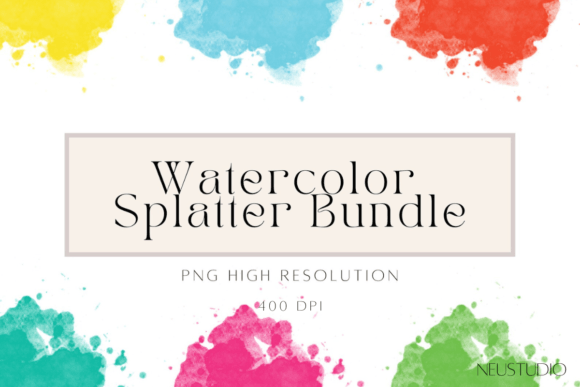
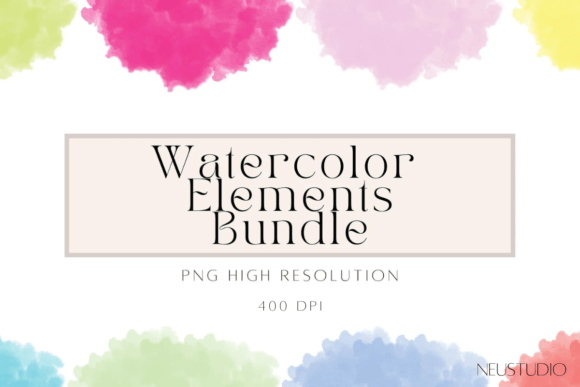
High resolution watercolor has become a popular choice among digital artists, designers, and crafters looking to add a natural, organic feel to their projects. Unlike traditional watercolor, which requires physical materials like brushes, paper, and water, high-resolution watercolor textures offer the same aesthetic in a digital format. These textures are often available as PNG files with resolutions up to 4096 x 4096 pixels and 300 DPI, making them ideal for use in a wide range of applications—from scrapbooking to graphic design.
What Makes High Resolution Watercolor Unique?
High resolution watercolor textures are designed to mimic the look and feel of hand-painted watercolor art. They capture the subtle variations in color, texture, and flow that are characteristic of traditional watercolor techniques. What sets high-resolution versions apart is their clarity and detail, allowing users to apply them to large-scale projects without losing quality.
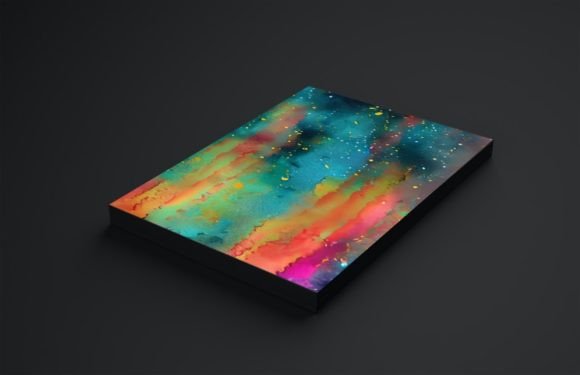
These textures are typically sold in packs, such as a collection of 10 PNG high-resolution abstract watercolor backgrounds. Each texture is crafted to provide a unique visual effect, making it easy to find one that complements your project’s theme or style. Whether you're designing a greeting card, creating a digital scrapbook layout, or working on a photography album, these textures can enhance the overall aesthetic of your work.
Comparing High Resolution Watercolor with Other Textures
While high-resolution watercolor textures are highly versatile, they are not the only option available. Other common types of digital textures include wood grain, marble, fabric, and metallic finishes. Each of these has its own set of strengths and limitations.
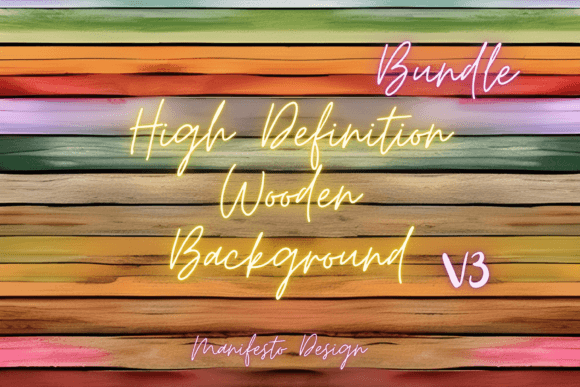
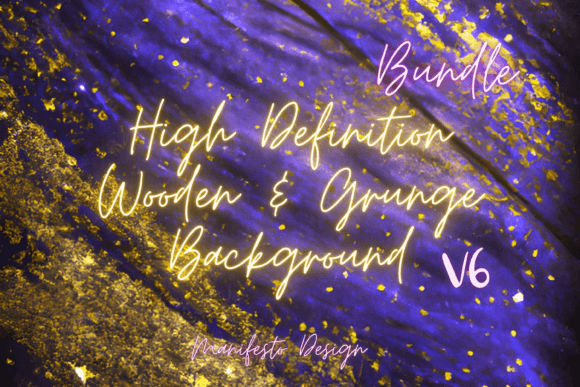
Wood texture, for example, offers a more structured and defined look compared to the fluidity of watercolor. It's great for adding a rustic or vintage feel but may not be as suitable for projects that require soft, flowing elements. Similarly, metallic textures can add a luxurious touch but may not blend well with more organic designs.
High-resolution watercolor textures, on the other hand, provide a balance between detail and flexibility. They are less rigid than wood textures and more dynamic than metallic ones. This makes them particularly useful for projects where a natural, artistic feel is desired without the need for complex layering or blending.
When to Choose High Resolution Watercolor
High-resolution watercolor is an excellent choice when you want to add a soft, artistic background to your design. It works well for projects that benefit from a gentle, handcrafted appearance, such as invitations, greeting cards, and scrapbooking layouts. It's also a good fit for digital art that needs to maintain a sense of authenticity and warmth.
However, there are situations where high-resolution watercolor might not be the best option. For instance, if your project requires a very clean or modern look, a minimalist background or a geometric pattern might be more appropriate. Similarly, if you're working with high-contrast colors or need precise alignment, a solid color or vector-based background could be a better choice.
Practical Applications of High Resolution Watercolor
The versatility of high-resolution watercolor textures makes them suitable for a variety of uses. Here are some common applications:
- Scrapbooking and Digital Scrapbooking: These textures can serve as beautiful backgrounds for photo albums, memory pages, and digital layouts. Their soft, painterly quality helps create a cohesive and visually appealing design.
- Greeting Cards and Invitations: High-resolution watercolor backgrounds add a personal, handmade feel to cards and invitations. They can be used as a base for text, illustrations, or photographs.
- Fashion Design and Fabric Patterns: The fluidity and variation in watercolor textures make them ideal for experimenting with new fabric patterns or textile designs.
- Photography Album Backgrounds: When designing a photography album, using a watercolor texture as a background can help unify different photos and give the entire album a consistent look.
- Business Cards and Stationery: A subtle watercolor texture can elevate the design of business cards and stationery, giving them a professional yet artistic edge.
Each of these applications benefits from the unique qualities of high-resolution watercolor textures. However, it's important to consider how the texture will interact with other design elements, such as text, images, and colors.
Choosing the Right Texture for Your Project
Selecting the right texture depends on several factors, including the purpose of your project, the style you're aiming for, and the tools you're using. If you're working with digital design software like Adobe Photoshop or Illustrator, you'll have more control over how the texture is applied and layered.
It's also worth considering the file size and resolution of the texture. High-resolution textures (such as those at 4096 x 4096 pixels) are ideal for print projects, while lower-resolution versions may suffice for web-based designs. Additionally, ensuring that the texture is in a transparent PNG format allows for greater flexibility when combining it with other design elements.
When evaluating different options, it's helpful to compare how each texture affects the overall composition. A high-resolution watercolor texture, for example, might not be the best choice for a busy design with lots of text or intricate graphics. In such cases, a simpler or more subdued texture might be more effective.
Limitations and Considerations
While high-resolution watercolor textures offer many advantages, they also come with some limitations. One potential drawback is that they can be time-consuming to apply and adjust, especially for beginners who are not familiar with digital design tools. Additionally, the softness of the texture may not be suitable for all types of projects, particularly those that require sharp lines or high contrast.
Another consideration is the availability of textures. While there are many high-quality options on the market, it's important to choose reputable sources to ensure that the textures are original and free from copyright issues. Always check the licensing terms before using any digital asset in a commercial project.
Finally, it's worth noting that high-resolution watercolor textures may not be the best choice for every design. Depending on your needs, alternatives such as vector-based textures, photo-realistic backgrounds, or even custom illustrations may be more appropriate. The key is to evaluate your project's requirements and choose the option that best aligns with your goals.
Ultimately, high-resolution watercolor textures are a valuable resource for anyone looking to add a natural, artistic element to their digital designs. Whether you're a seasoned designer or just starting out, understanding the strengths and limitations of this type of texture can help you make more informed decisions and create more compelling projects.