Understanding Logo Art and Its Role in Branding and Design
Logo Art refers to the visual representation of a brand's identity through a carefully crafted symbol, icon, or emblem. It is a fundamental element of branding that communicates the essence of a business, organization, or individual to an audience. When used effectively, Logo Art can enhance recognition, build trust, and create a lasting impression. This article explores the significance of Logo Art, its applications across various design needs, and considerations for choosing the right approach for your branding efforts.
What Is Logo Art?
Logo Art is more than just a graphic; it is a strategic visual tool that encapsulates a brand's values, mission, and personality. A well-designed logo can be simple or complex, but it must be distinctive, scalable, and adaptable across different media. The creation of Logo Art involves elements such as typography, color theory, and composition, all of which contribute to its effectiveness.
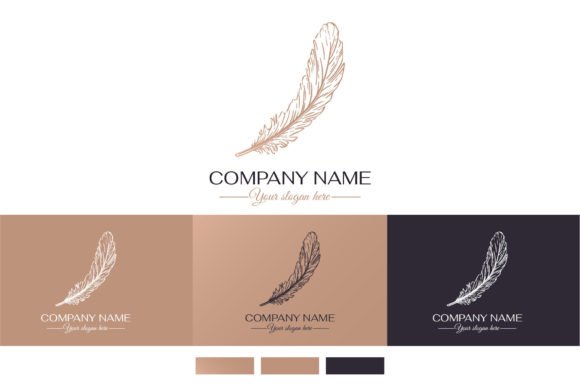
Logo Art is typically delivered in multiple file formats to ensure versatility. These include JPG files for digital use, AI files for editable vector graphics, and EPS files for high-quality print production. A complete package may also include additional assets like banners, backgrounds, business cards, greeting cards, stickers, and brochures, all contained within a single ZIP folder.
Why Consider Logo Art?
There are several compelling reasons why individuals and businesses choose to invest in Logo Art. One primary reason is its ability to serve as a consistent visual anchor across all marketing materials. Whether it's a website banner, a business card, or a brochure, a cohesive logo reinforces brand identity and improves recall.
Another benefit is the flexibility offered by multiple file formats. JPG files are ideal for web-based applications where quick loading times are essential. AI and EPS files, on the other hand, allow for scalability and precision in both digital and print environments. This makes Logo Art suitable for a wide range of advertising needs, from online campaigns to physical promotional items.
Benefits of Using Logo Art
The benefits of incorporating Logo Art into your branding strategy are numerous. First and foremost, it enhances brand recognition. A strong, memorable logo can help distinguish your brand from competitors and make it more recognizable to consumers.
Additionally, Logo Art contributes to professionalism and credibility. A well-designed logo signals attention to detail and a commitment to quality, which can positively influence customer perceptions. Furthermore, having a versatile set of files ensures that your logo can be used consistently across various platforms without losing clarity or quality.
Considerations and Tradeoffs
While Logo Art offers many advantages, there are also important considerations to keep in mind. One key factor is the level of customization required. Some pre-designed logo packages may not fully align with specific branding needs, requiring additional editing or redesign work.
Another consideration is the cost associated with creating or purchasing a custom logo. High-quality Logo Art often comes at a premium, especially when including multiple file formats and design variations. However, this investment can pay off in terms of long-term brand consistency and marketability.
It is also important to evaluate the intended use of the logo. If you require frequent modifications or need the logo to adapt to various sizes and backgrounds, having access to AI and EPS files becomes crucial. On the other hand, if your needs are limited to static digital displays, JPG files may suffice.
Situations Where Logo Art Is a Strong Fit
Logo Art is particularly effective in scenarios where brand identity is a priority. Businesses launching new products, rebranding existing ones, or expanding their market presence can greatly benefit from a professionally designed logo. It is also ideal for organizations that rely heavily on visual communication, such as those in the creative industries, retail, or technology sectors.
Furthermore, Logo Art is well-suited for entrepreneurs and small businesses looking to establish a professional image without the complexity of full-scale branding campaigns. With a single ZIP folder containing multiple file types, it provides an all-in-one solution for diverse design needs.
When Alternatives May Be Worth Considering
In some cases, alternative approaches to branding may be more appropriate. For instance, if you require highly dynamic or interactive visuals, such as animations or video content, traditional Logo Art may not be sufficient. Similarly, if your brand relies on a unique visual style that cannot be captured in a static logo, exploring other design options could be beneficial.
Additionally, if you have very specific technical requirements or need extensive modifications, working directly with a designer to create a custom logo might be more effective than using pre-packaged solutions. This allows for greater control over the final product and ensures alignment with your brand's unique identity.
Practical Insights for Decision-Making
When deciding whether Logo Art is the right choice for your needs, consider your budget, timeline, and long-term branding goals. If you're looking for a cost-effective, ready-to-use solution that covers a variety of design needs, a comprehensive Logo Art package with multiple file formats can be an excellent option.
However, if you require a completely customized design or anticipate making frequent changes, investing in a bespoke logo creation process may be more suitable. Evaluate how your brand will use the logo across different channels and ensure that the chosen format supports these uses effectively.
Ultimately, the decision should be based on what best aligns with your brand's identity, target audience, and overall marketing strategy. By carefully weighing the benefits and tradeoffs, you can select the approach that best meets your needs and helps your brand stand out in a competitive marketplace.